


03 February 2026
The Minimalist Bedroom: Curate a Clutter-Free Sanctuary
Crowded bedrooms are common in Singapore, where HDB space constraints and confusing condo layouts make for limited floor space, daily-use items on every available surface, and storage beds and wardrobes filled to bursting. Most of us react by browsing for minimalist bedroom ideas on the phone, ooh-ing and aah-ing over tasteful artwork, beds with hidden compartments, and all that empty space.
But there’s no need to limit the minimalist aesthetic to your dreams; you can make it happen. Just keep your objectives front and centre: reduce visual clutter, improve function, and make the room easier to maintain.
This guide explains minimalist design principles that work in the Singapore context (compact rooms, humidity, limited built-ins), with step-by-step actions including storage strategies and layout rules for immediate clutter reduction and lifestyle vibes.
What is Minimalism?
Minimalism is a way of living and designing your space with less clutter and more purpose. Instead of filling a room with lots of items “just in case” or “just because”, minimalism focuses on keeping only what you actually need, use, and value.
In a bedroom, minimalism means:
- Fewer things on display: So the room looks cleaner and feels calmer.
- More clear surfaces: Empty tabletops for daily essentials and floor space for you to walk in.
- Better organisation: Where everything has a proper place, and it’s the same place every day.
- Furniture that serves a real function: Beyond decoration, furniture should have a purpose.
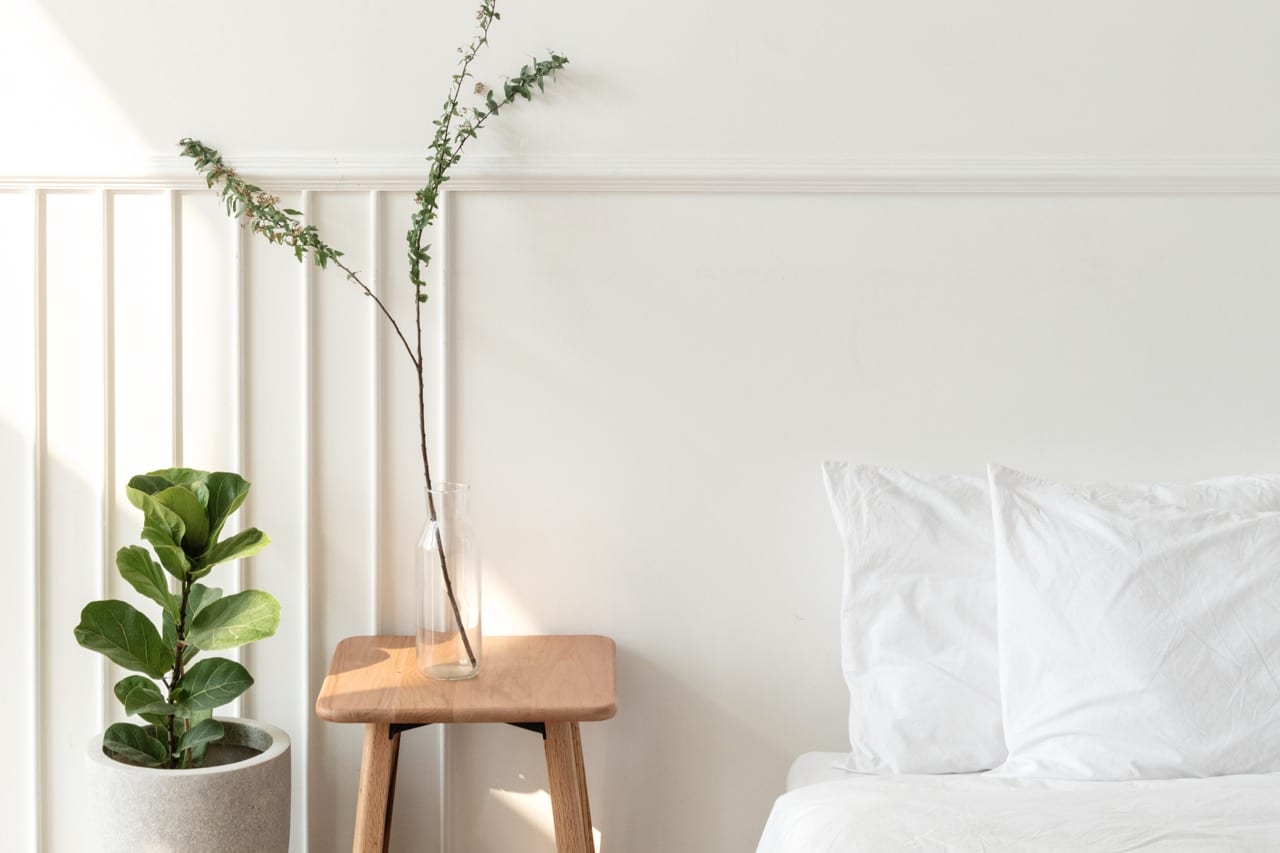
A common misunderstanding is that minimalism means your room has to look empty or boring. That’s not true. A minimalist bedroom can still feel warm and comfortable. It just avoids unnecessary clutter, extra furniture, and random decor that makes the space feel messy.
In Singapore, where bedrooms are often smaller and storage space is limited, minimalism is especially useful because it helps your room feel more spacious, easier to maintain, and more relaxing to spend time in.
Why Minimalist Bedrooms Are Especially Effective in Singapore
Minimalist bedrooms are practical locally for three reasons:
- Room size constraints: Smaller bedrooms benefit from fewer furniture pieces and less surface clutter, which improves movement paths and reduces the “boxed-in” feeling.
- Humidity and maintenance: Singapore’s humidity increases the importance of ventilation and routine cleaning. Fewer items mean fewer dust-collecting surfaces and less risk of mustiness in tightly packed wardrobes.
- Rest and focus: Lower visual stimulation (fewer objects, fewer colours, fewer patterns) reduces distraction. This supports a clearer separation between rest space and the rest of daily life.
Key Design Elements for a Minimalist Bedroom
A minimalist bedroom is all about creating a calm, clutter-free space that feels effortlessly put together. The focus is on choosing the right essentials such as clean lines, a soothing colour palette, and furniture that’s both functional and beautiful.
From thoughtful lighting to smart storage and intentional décor, these key design elements help you build a bedroom that feels lighter, more spacious, and genuinely restful to come home to.
Colour, Texture and Materials
For a minimalist bedroom, start with simple colours that make the space feel light and calm. Warm neutrals like white, beige, and soft grey work well, especially in smaller rooms. Add natural textures (like wood, linen, or cotton) to keep the room from looking flat or “too plain”. Since Singapore is hot and humid, choose breathable, tropical-friendly fabrics that stay comfortable and don’t trap heat.
Smart Storage and Furniture That Works
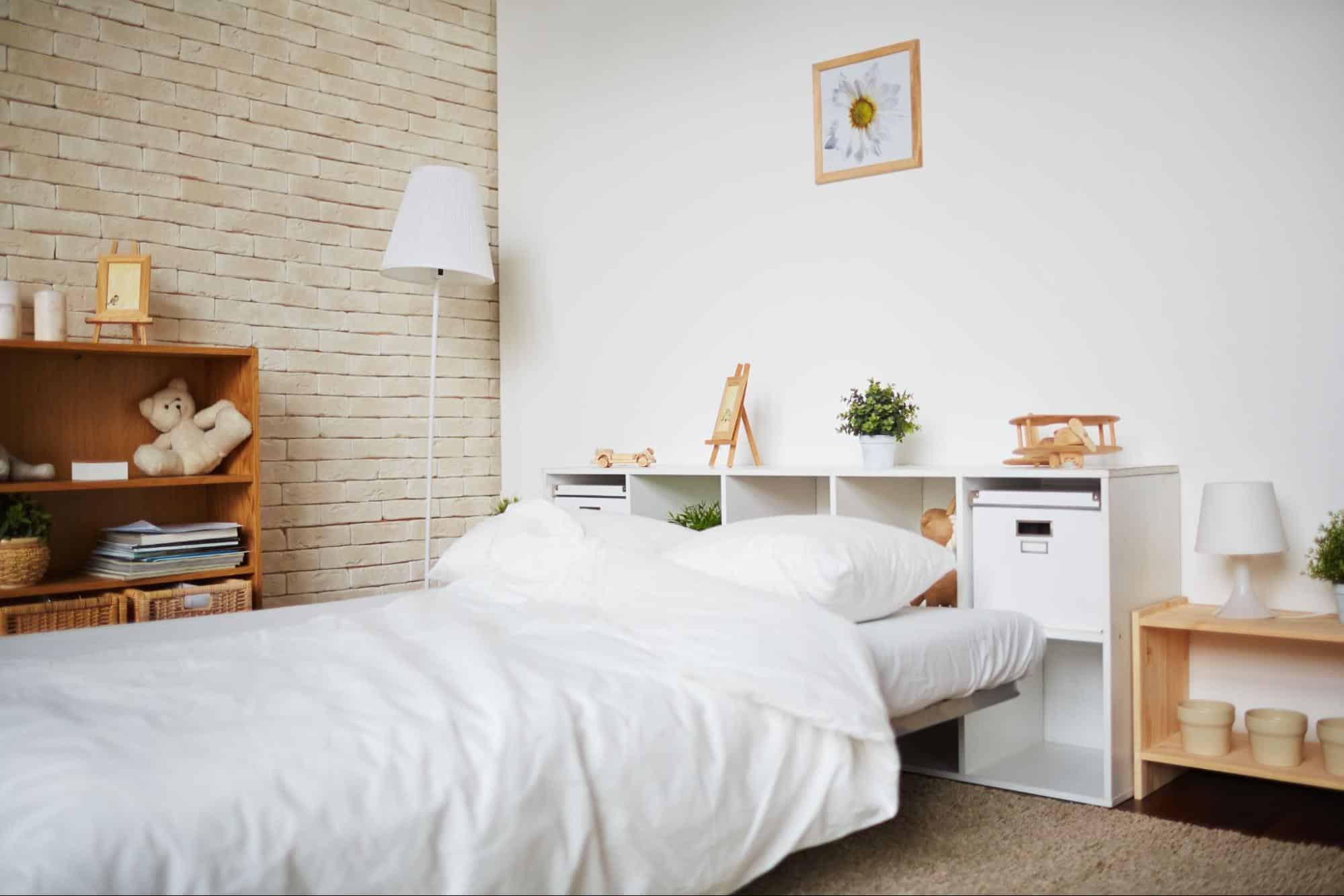
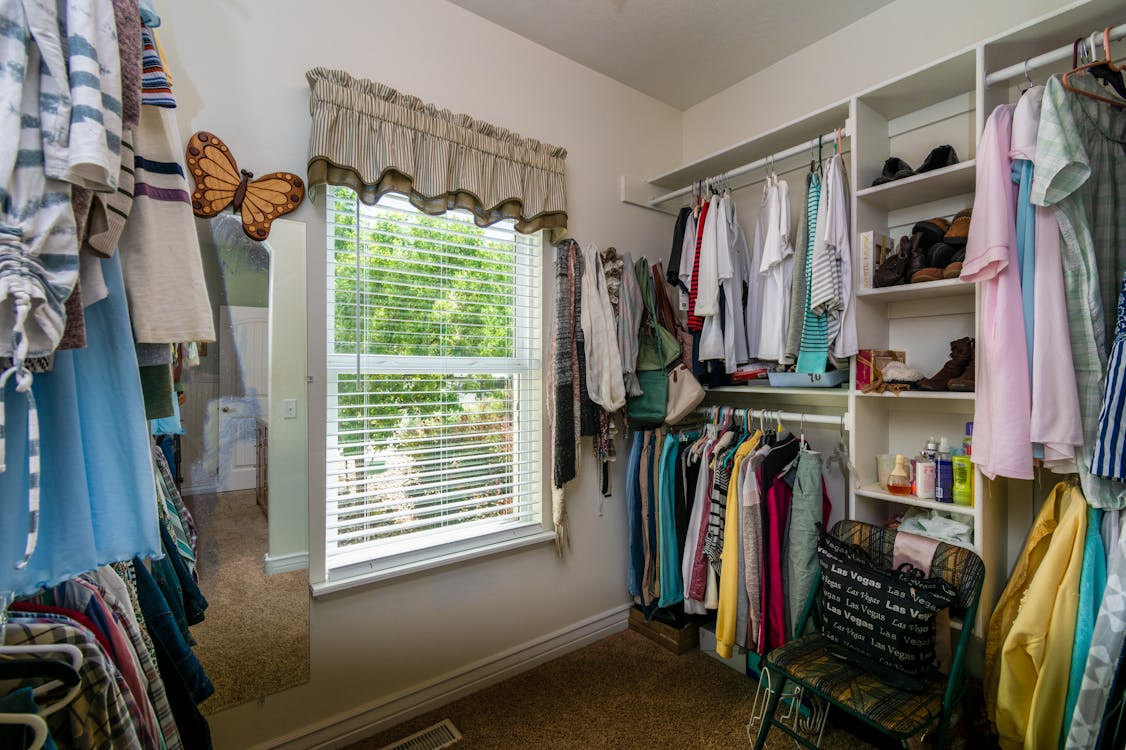
Minimalist bedrooms stay neat when storage is planned properly. Built-in wardrobes, under-bed drawers, and floating nightstands help you store more without taking up extra floor space. If your room is small, choose furniture that does more than one job, like a lift-up storage bed or a compact desk that fits neatly into a corner.
A simple rule to follow: keep everyday essentials easy to reach, and store everything else out of sight. If you have items you want to keep but don’t need in your bedroom (like luggage, old books, or extra bedding), it may help to temporarily move them into a self-storage unit in Singapore.
Lighting, Natural Light and Biophilic Touches
Good lighting makes a minimalist room feel more open and comfortable. Let in as much natural light as possible by using sheer curtains instead of heavy ones. For the evenings, use warm ambient lighting or dimmable lights to create a softer, more relaxing feel.
To prevent the room from feeling too “cold” or empty, add small touches of nature, like a simple indoor plant or natural materials such as wood and rattan.
Transform Your Bedroom Step-By-Step
Declutter and Select What Really Matters
The first step to creating a minimalist bedroom is decluttering. A simple habit that works well is “one in, one out”, if you buy something new, remove something old. This helps prevent clutter from building up again over time. Try to keep only the items you actually use and need in your bedroom, and remove anything that adds “visual mess” (like random piles, unused decor, or extra furniture).
Quick checklist to decide what stays:
- Do I use this often?
- Does it belong in a bedroom?
- Does it make the room feel calmer or more cluttered?
- If I remove it, will I miss it?
Choose the Right Furniture and Layout
Minimalist bedrooms work best with simple furniture that doesn’t take up too much space. Choose low-profile beds, streamlined dressers, and pieces with clean lines. If possible, pick multifunctional items, like a bed with storage or a compact desk that fits neatly into a corner.
Easy layout tips:
- Leave enough space to walk comfortably around the bed
- Keep the pathway from the door to the wardrobe clear
- Don’t block windows, so the room stays bright and airy
Optimise Storage and Hidden Systems
Good storage is what keeps a minimalist room looking neat long-term. Use under-bed drawers, built-in cabinets, and floating shelves to store items without filling up the floor space. Hidden storage is especially useful because it keeps the room looking clean, even if you still have a lot of things.
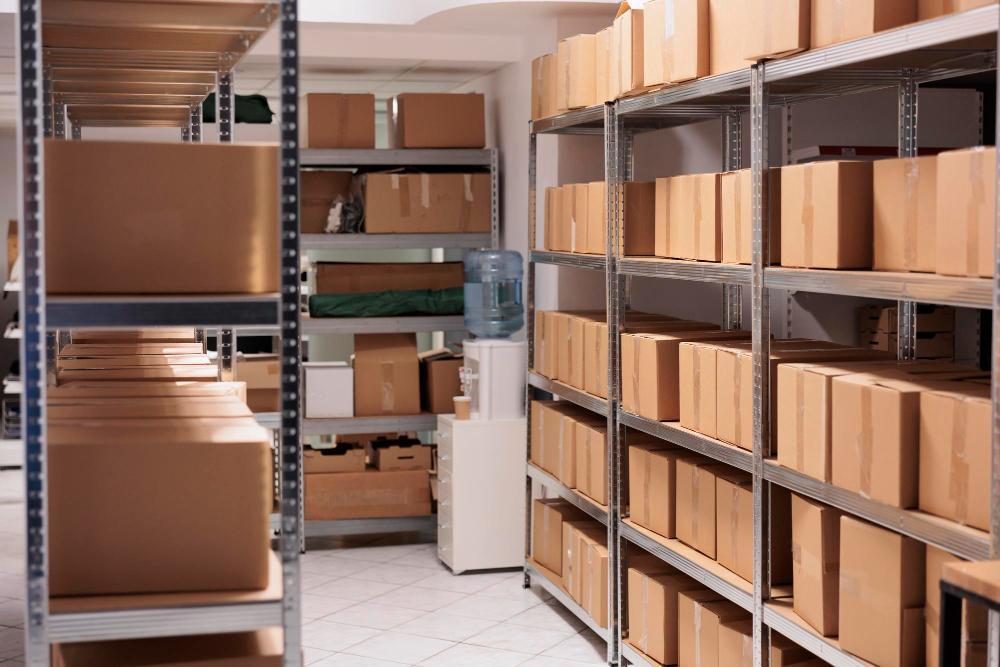
If you have items you don’t need every day, like off-season clothes, bulky luggage, or sentimental belongings, consider renting a storage locker to keep them safe. Some collectors and small business owners even rent warehouse storage l for this, freeing up valuable space in their own homes.
Add the Finishing Touches
Once the room is decluttered and organised, add simple finishing touches to make it feel complete. Stick to a neutral colour palette so the space stays calm and consistent.
Choose a few details that add comfort without creating clutter, such as:
- Some simple artwork
- Layered bedding textures (like a throw or cushion)
- Soft lighting accents (like a bedside lamp)
Final Thoughts: Your Minimalist Bedroom Journey
Minimalism is an operational approach: reduce volume, improve storage performance, and maintain clear surfaces through repeatable habits. Start with one priority area (wardrobe, bedside, or floor space), implement storage rules, then refine furniture choices only after decluttering.
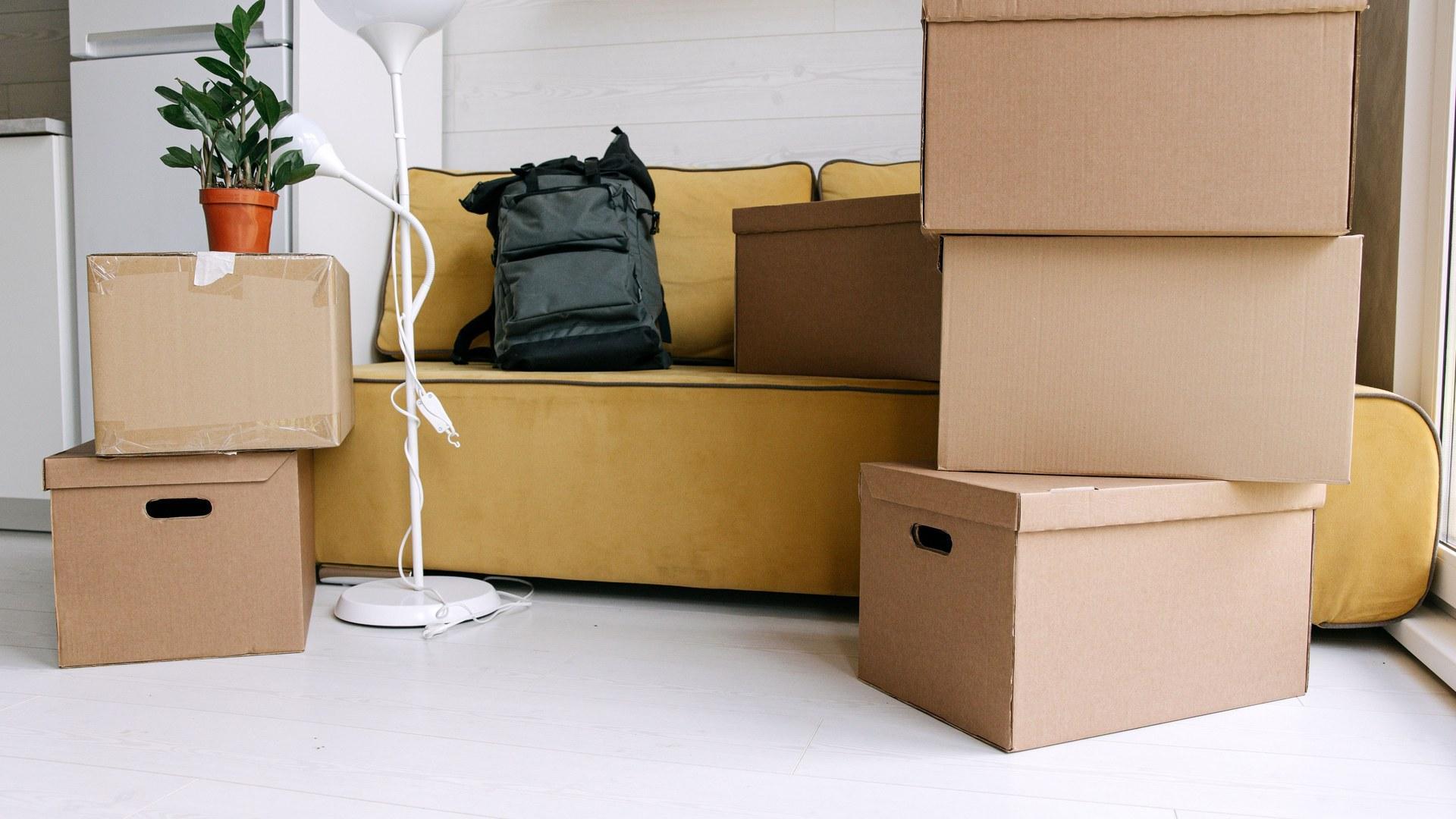
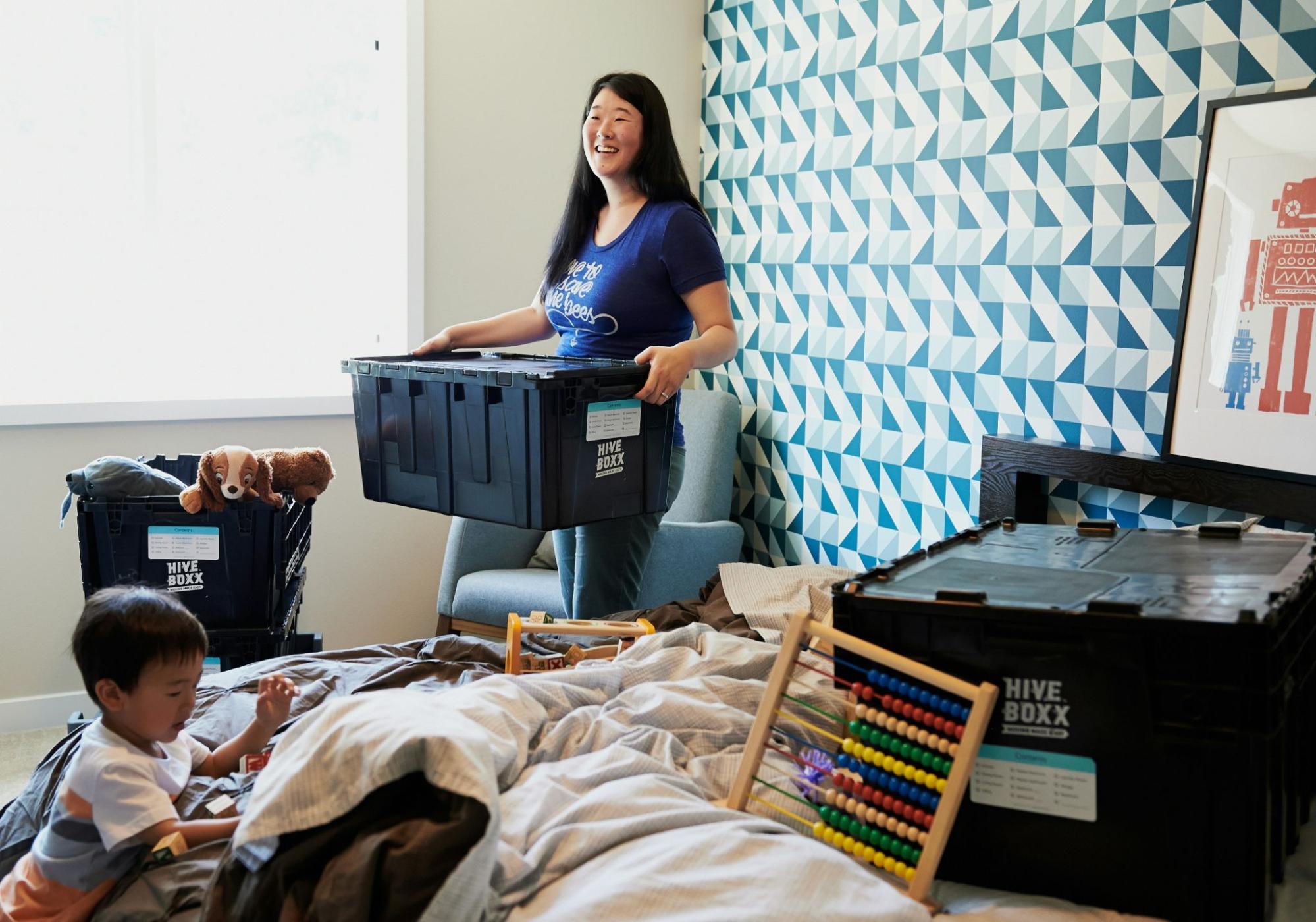
If physical space is the constraint, consider relocating low-frequency items rather than forcing more storage into the bedroom. A small external unit can function as overflow capacity, useful if you need temporary storage space during decluttering, renovations, or moving house, so space in Singapore always remains clean and clutter-free.

 WhatsApp
  Email
Email  Call Us