


03 February 2026
How Self-Storage Can Help Singapore SMEs Cut Costs in 2026
45% of self-storage customers in Singapore are businesses, a clear sign of how small and medium-sized enterprises (SMEs) are turning to flexible space solutions to stay agile in today’s unpredictable market. With rising operational costs and shrinking commercial spaces, modern self-storage and flexible workspace solutions have emerged as strategic tools for improving cash flow, enhancing logistical efficiency, and reducing overhead without compromising day-to-day operations.
Urban Space supports these evolving needs by offering secure, climate-controlled self-service storage units, central locations, and flexible coworking spaces that help SMEs scale smoothly in fast-changing business environments.
How Does Self–Storage Work?
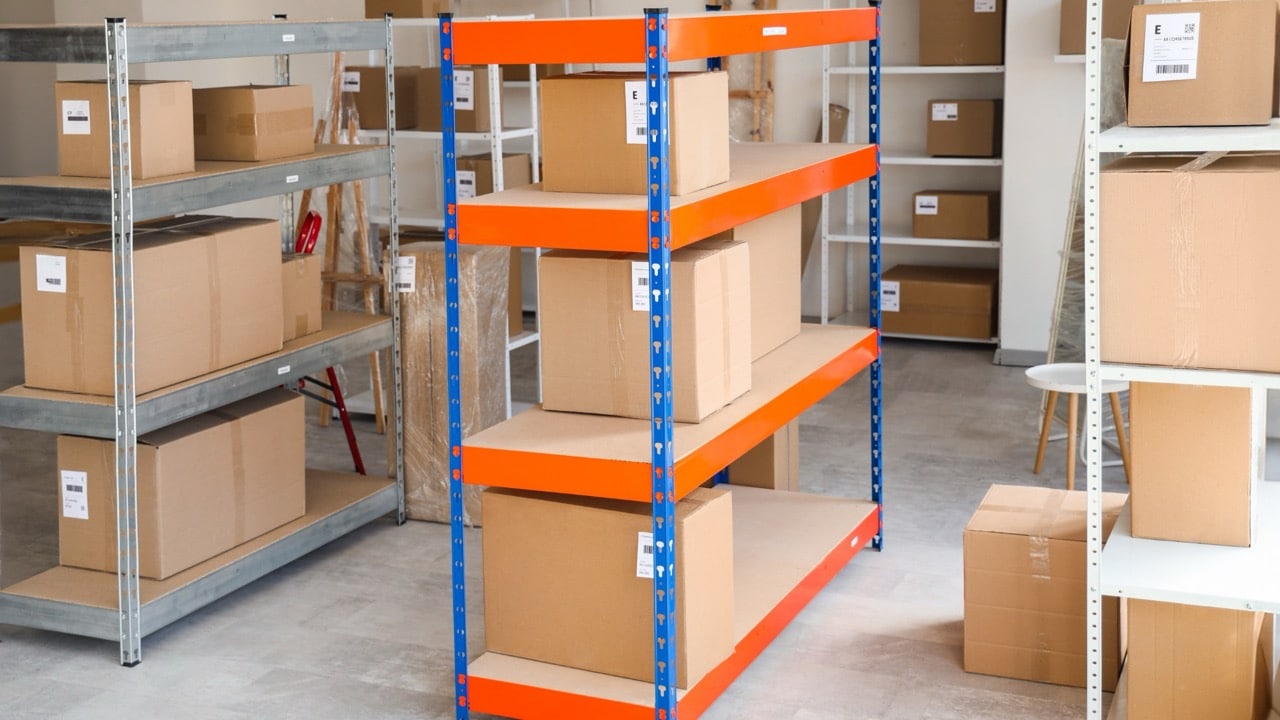
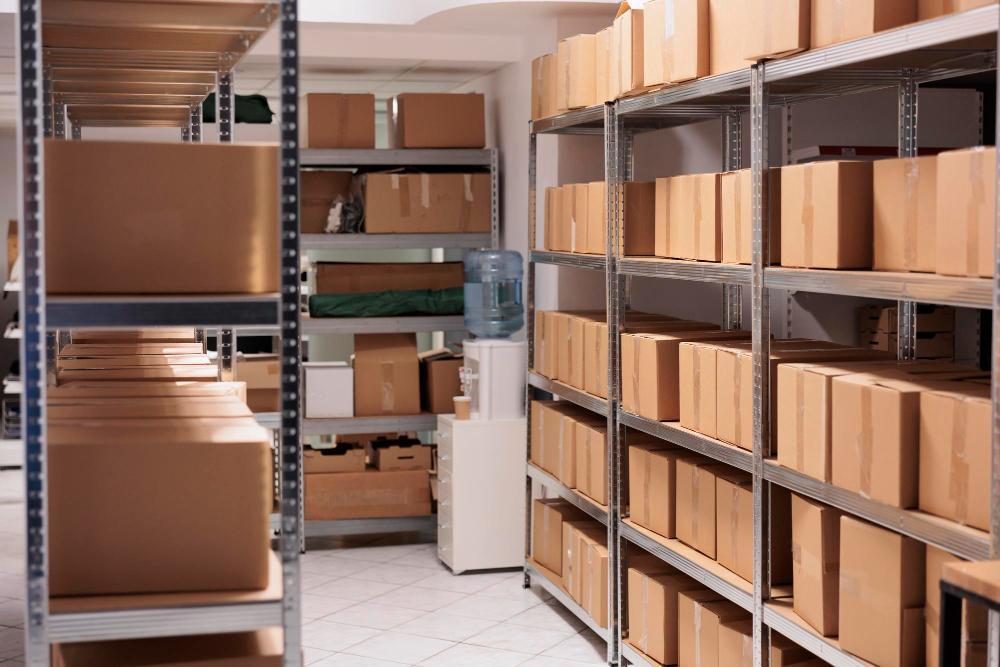
Self-storage provides businesses with dedicated, secure units available on flexible rental terms. Unlike traditional commercial leases, which often require multi-year lock-ins, larger minimum space commitments, and higher per-square-foot costs, self-storage offers a modular, scalable approach. SMEs rent only the space they need, for as long as they need it, creating a more cost-efficient way to manage inventory, documents, and operational assets.
Businesses simply select a unit size, move in their items, and use 24/7 access to retrieve them whenever required. With lower monthly costs compared to commercial offices or warehouses, the financial benefits can be substantial.
1. Business Self–Storage Helps SMEs Save
Commercial office and warehouse rentals in Singapore are significantly more expensive per square foot than dedicated storage spaces. For SMEs paying premium rates for central offices or retail units, every square foot counts. By shifting non-essential items, such as archives, seasonal stock, marketing materials, and spare equipment, into a secure self-storage unit, companies can reduce their primary footprint, optimise layout, and potentially downsize to a cheaper office or retail space.
Urban Space provides climate-controlled units in central Singapore, ensuring businesses can store sensitive documents and equipment safely without paying commercial-grade rent.
2. Financial Flexibility: No Lock-In Contracts
Traditional commercial leases often lock businesses into long-term contracts, making it difficult to adapt when market conditions shift. This lack of flexibility can strain cash flow during slower periods.
Urban Space offers month-by-month rental terms, allowing SMEs to scale their storage needs up or down as required. This flexibility minimises wasted space, reduces unnecessary expenditure, and supports financial resilience, especially for industries with seasonal demand or fluctuating inventory cycles.
3. Optimising Inventory and Logistics Costs
For e-commerce and retail SMEs, fulfilment efficiency directly affects profitability. A strategically located self-storage unit can operate as a decentralised micro-warehouse, helping businesses shorten delivery times, reduce transport mileage, and improve inventory management.
Urban Space’s central region facilities also support courier pick-up and drop-off, allowing SMEs to streamline daily operations without investing in a full-scale warehouse. This can significantly lower logistics and manpower costs, especially for online retailers with high-volume turnover.
How To Make Self-Storage Cost-Effective
To maximise savings, SMEs should plan their storage usage strategically. The following steps help ensure storage becomes an efficient cost-management tool rather than an additional overhead.
1. Audit Your Inventory
Start with an internal audit, categorising all assets into three groups:
- Essential: Items required daily or weekly that must remain on-site.
- Archive: Documents or assets that require infrequent access.
- Seasonal/bulk: Inventory that peaks during certain periods or is stored in large quantities.
Only the “archive” and “seasonal/bulk” groups should be moved to storage, ensuring core operations retain what is necessary.
2. Choose the Right Unit Size and Storage Features
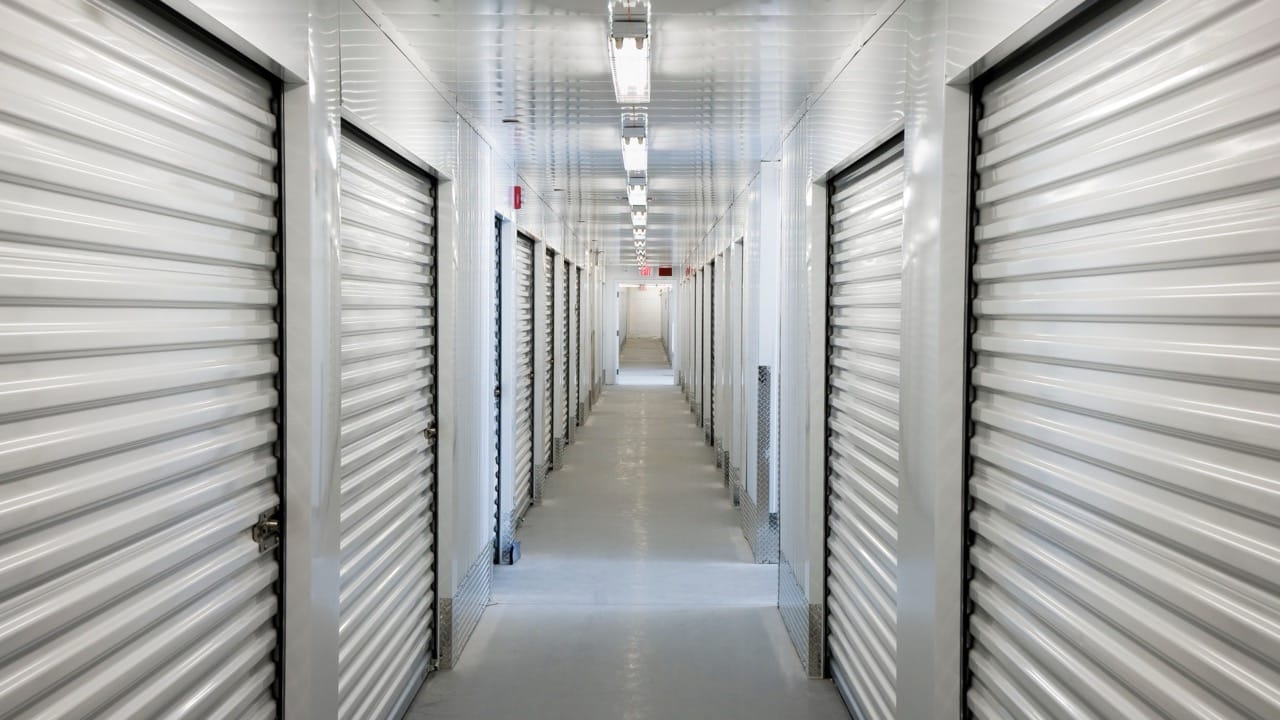
Choosing the right unit size is crucial for cost efficiency. Paying for excess space reduces ROI, while underestimating space may create operational bottlenecks. SMEs should assess their volume of items and consider any special requirements.
Urban Space provides a range of unit sizes, climate-controlled storage for sensitive electronics or documents, and a helpful Space Calculator tool to guide businesses in selecting the ideal fit. Proper unit selection also prevents damage-related losses, such as inventory write-offs.
3. Strategic Location Selection
Storage units in core CBD areas tend to cost more due to premium real estate. SMEs should evaluate how often they need to access their stored items.
For deep archive or long-term storage, a slightly less central location may offer substantial savings.
For businesses with frequent fulfilment needs, a centrally located storage hub can significantly lower transport and delivery costs.
Urban Space’s central region facilities strike a balance between accessibility and affordability, supporting both types of use cases.
4. Accounting for Total Cost of Ownership
Beyond monthly rental, businesses should factor in:
- Transport costs, including delivery or collection logistics.
- Business insurance, particularly for high-value inventory (Urban Space offers insurance coverage options).
- Shelving or racking systems, which maximise vertical space and reduce clutter.
Understanding these factors ensures SMEs budget accurately and operate efficiently within their chosen storage solution.
Implement a Practical Business Self–Storage Budget
A structured approach helps SMEs clearly quantify savings and project long-term value.
Step 1: Calculate your current office or warehouse cost per square foot.
Step 2: Determine the items you can move into Urban Space.
Step 3: Request a tailored quote based on the unit size and duration that best meets your needs.
Step 4: Calculate net monthly savings (Old Rent – New Rent – Storage Cost) to see if it’s worth it.
Step 5: Leverage Urban Space’s 24/7 secure access and fulfilment-friendly location to optimise logistics and daily operations.
The Perfect Self–Storage Solution in Singapore Awaits
Without modern self-storage options, SMEs may be forced to use residential spaces, downsize operations, or even move storage overseas — all of which can increase operational risks and expenses.
Urban Space removes these barriers by offering:
- Unmatched flexibility, with no lock-in contracts
- Enhanced security, including 24/7 CCTV and restricted access
- Climate-controlled units, ideal for sensitive equipment, documents, or inventory
- Central locations, supporting fast logistics and courier access
- Upcoming coworking workspaces, enabling teams to work and store in one integrated environment
Urban Space’s solutions are designed for both households and businesses seeking secure, affordable, and flexible storage that supports long-term growth.
Explore business storage facility units in Singapore with Urban Space today.

 WhatsApp
  Email
Email  Call Us