


22 January 2026
Where to Stay During Home Renovation in Singapore: Your 2026 Guide
Where to Stay During Home Renovation in Singapore: Your 2026 Guide
When hacking, dust, noise, and temporary toilet closures make your home unliveable, finding somewhere else to stay becomes a must, not a nice-to-have. For most homeowners, you’ll be choosing between staying with family or friends, booking short hotel stays, moving into serviced apartments, or trying short-term rentals like co-living spaces — the same options frequently suggested by interior designers, renovation groups, and HIP guides.
Since renovation timelines in Singapore often shift, especially for major works or HDB’s Home Improvement Programme (HIP), it’s also important to choose temporary housing with flexible lease terms, so you’re not caught off-guard if the renovation takes longer than expected.
This guide breaks down the most practical, comfortable, and cost-efficient places where you can stay during your renovation, along with key considerations such as proximity, budget, amenities, lease flexibility, and legal requirements.
Popular Temporary Accommodation Options in Singapore
Serviced Apartments
Serviced apartments are one of the most reliable options for homeowners undergoing renovations, especially families. They offer full kitchens, laundry facilities, dedicated workspaces, and plenty of living space that makes daily life feel as normal as possible. Their month-to-month flexibility is also ideal for renovation delays, though serviced apartments usually cost more than short-term options like hotels or co-living. Still, the convenience and home-like comfort often justify the premium.
Short-Term Rentals
If you’re opting for short-term rentals, you’ll be able to choose from a wide selection of studios, condominiums, and full apartments. They’re often more affordable than serviced apartments and offer greater flexibility, making them suitable for shorter renovation phases. However, it’s important to note Singapore’s minimum stay rules: three months for private properties and six months for HDB flats, unless the unit falls under approved exceptions. Always clarify regulations with hosts before booking.
Hotels (Short Stays or Partial Stays)
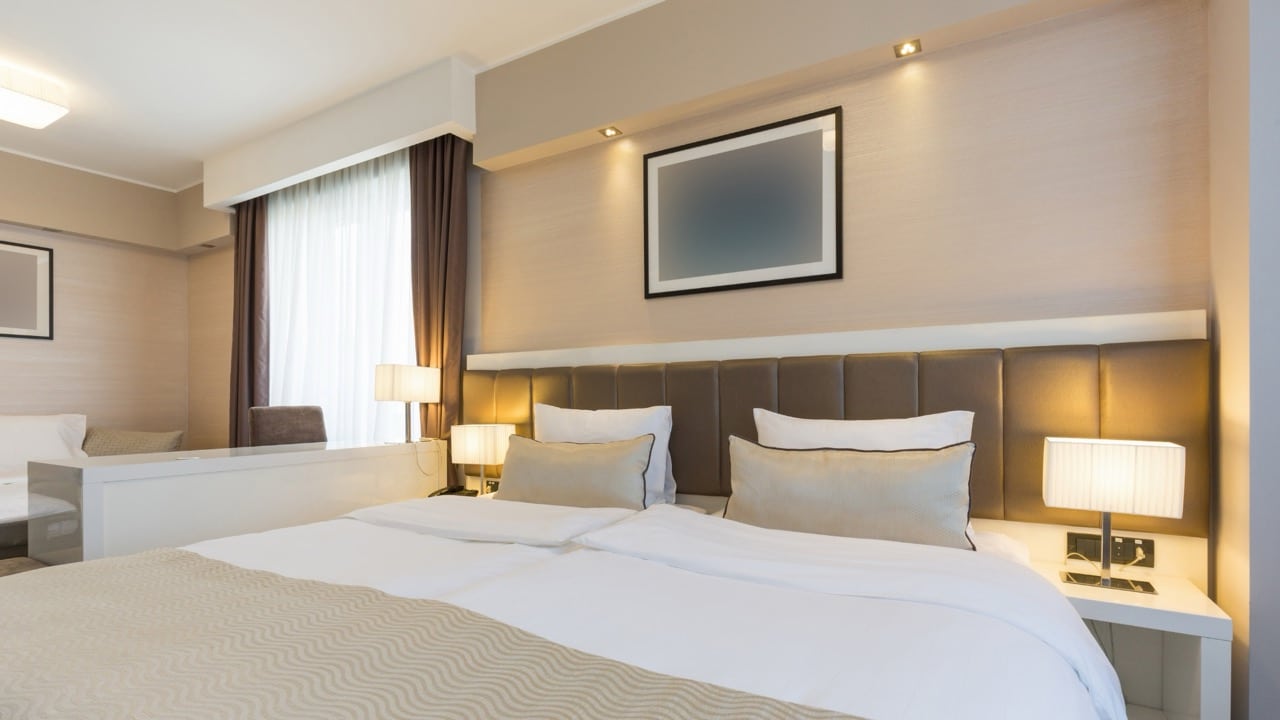
Hotels are ideal for very short renovation periods, such as hacking, wet works, or HDB HIP works that only last a week or two. You get housekeeping, comfortable rooms, and convenient on-site amenities, but costs can escalate quickly for long stays. Limited space can also make extended hotel living impractical for families, pet owners, or those working from home.
Corporate Housing (If Provided by Employer)
For expatriates or employees whose companies provide corporate housing, this is an excellent stress-free option. Fully furnished spaces, utilities included, and professional management ensure a seamless temporary living arrangement without the need for long-term leases.
Key Factors to Consider When Choosing Where to Stay
Proximity to Your Home Under Renovation
Staying close to your current home makes site visits, furniture deliveries, progress checks, and contractor coordination significantly easier. It also reduces daily commute time for work, school, and errands, allowing you to maintain a stable routine throughout the renovation period.
Budget & Additional Costs
Accommodation is often the biggest renovation-related expense after the renovation itself, so consider the full cost breakdown, including utilities, deposits, parking fees, pet fees, and cleaning charges. Cost-saving tip: look for weekly or monthly rates, renovation-special promotions, or off-peak periods when prices tend to be lower.
Amenities You’ll Need
Think about lifestyle continuity. Do you need a kitchen for meal prep, Wi-Fi for remote work, parking for your vehicle, laundry facilities, or a workspace? Families may prioritise a separate living area, while pet owners may need pet-friendly housing. The more aligned the accommodation is with your daily habits, the smoother the transition.
Flexibility of Lease Terms
Delays are common in Singapore renovations, especially when structural, tiling, or plumbing works are involved. To avoid scrambling for last-minute extensions, choose accommodation with flexible leases, extension options, or weekly/monthly payment structures.
Legal & Practical Considerations in Singapore
Minimum Stay Requirements
HDB properties require a minimum rental stay of six months. Private properties require a minimum rental stay of three months. Short-term stays (below the minimum periods) are only legal if the landlord and property meet URA-approved rules.
Occupancy Limits
URA’s temporary relaxation of rental rules (until December 2026) allows up to eight unrelated persons to live in a private residential unit, but only if the property is at least 90 sqm in size. This matters if you are planning shared rentals or housing larger families.
Confirm Permissions Before Subletting
Before you commit to any short-term rental, confirm that the landlord or host has the necessary approvals. Unapproved rentals risk sudden eviction, penalties, and unnecessary stress during your renovation.
Storing Your Belongings During Renovation
Renovations involve hacking, drilling, painting, and demolition, all of which can create dust and debris that damage furniture, electronics, and personal items. Keeping belongings in your home can also slow down work, clutter the space, and compromise the final finish.
That’s why many homeowners choose to store part or all of their belongings off-site during renovation, especially bulkier or more delicate items. Depending on what you need to store, you have a few practical options.
Self-Storage Units
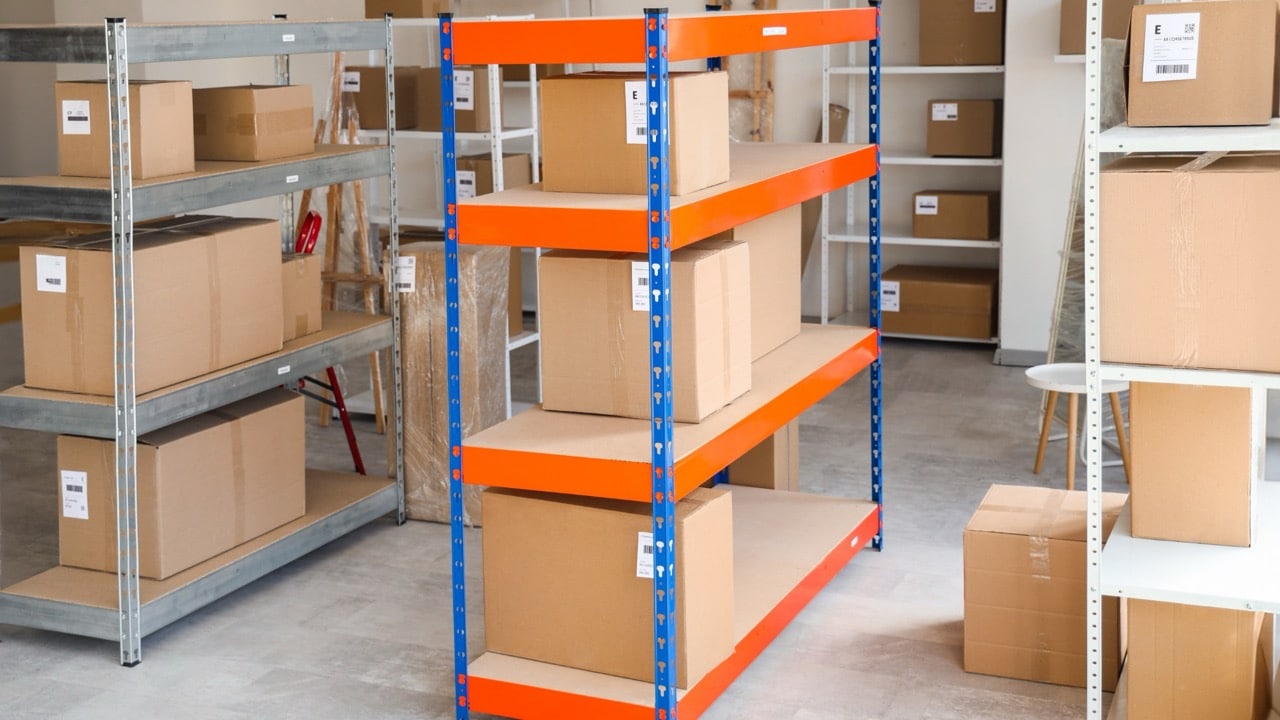
Self-storage is the most reliable and flexible solution in Singapore. Urban Space offers central-region facilities with secure, climate-controlled units designed to protect furniture, electrical items, and delicate belongings. Storage facility rental is ideal for homeowners who need quick access throughout the renovation. With flexible plans and affordable units, it’s one of the most cost-efficient solutions for both households and businesses.
Temporary Storage in Serviced Apartments (If Available)
Some serviced apartments offer limited storage for personal items, but capacity is typically small. This option works best for light belongings or essentials rather than bulky furniture.
Tips to Make Your Temporary Stay Smoother
Pack Essentials Separately
Prepare a dedicated luggage or box containing clothes, toiletries, chargers, medications, and important documents so you’re not digging through storage later.
Keep an “Open First” Box
This box contains your first-night essentials — towels, bedding, basic kitchenware, and snacks — making the transition into your temporary home seamless.
Plan for Noise & Work Schedules
Hacking and drilling usually take place between 9am and 6pm, so if you need to pop by for site walkthroughs or to receive deliveries, try to avoid these hours where possible. It’ll be easier to communicate with your contractor and check progress without competing with heavy noise.
Communicate Frequently With Your Contractor
Regular updates prevent misunderstandings, unnecessary delays, and extended accommodation costs.
Final Thoughts: Making the Best Choice for Your Renovation Period
Choosing where to stay during your renovation largely depends on your budget, lifestyle, family needs, and the expected duration of works. Start planning early, choose flexible accommodation, and factor in reliable storage solutions to safeguard your belongings.
With Urban Space’s secure, flexible, and affordable self-service storage units in central Singapore, you can minimise disruption throughout your renovation and keep your belongings protected while work is underway. Once the dust settles, you’ll return to a refreshed, beautifully upgraded home that makes the temporary inconvenience worthwhile.

 WhatsApp
  Email
Email  Call Us