


06 May 2026
How to Declutter a Small Apartment: A Practical Step-by-Step Guide
Living in a small apartment can feel overwhelming when clutter builds up. In compact homes, even a handful of extra items can make a room feel cramped and chaotic. The good news? Decluttering isn’t about achieving perfection or gutting your home in a single weekend. It’s about reclaiming control of your space, one step at a time.
Why Decluttering Is Essential in a Small Apartment
Small spaces amplify clutter in ways that larger homes don’t. A few misplaced items on a coffee table or an overstuffed wardrobe can make an entire room feel smaller than it is. Beyond aesthetics, visual noise increases stress and mental fatigue, making it harder to relax or focus, which is where knowing how to declutter a small apartment comes in.
Decluttering creates more usable living space, makes cleaning and maintenance easier, and can make your apartment feel more spacious without a single renovation. When you organise small spaces effectively, the benefits are immediate and tangible.
Step 1: Start Small to Avoid Overwhelm
Choose One Micro-Zone First
The most common decluttering mistake is trying to do everything at once. Start with one micro-zone: a single drawer, one shelf or one cabinet. These quick wins are powerful. They build momentum and make the bigger task feel far less daunting.
Set a Short Timer (15–30 Minutes)
Set a timer for 15 to 30 minutes and commit to that window. This approach prevents burnout, makes decluttering feel manageable and builds consistency over time. You don’t need to clear your entire apartment in one go. Small, regular sessions compound into lasting results.
Step 2: Use the 4-Category Sorting Method
As you work through each area, sort every item into one of four categories:
- Keep: Items you use regularly and genuinely need
- Donate: Items in good condition that someone else could use
- Sell: Items with resale value worth listing online or at a flea market
- Discard: Items that are broken, expired or beyond use
Ask the Right Questions
When you’re unsure where something belongs, ask yourself:
- Have I used this in the past year?
- Does this serve a real purpose in my life?
- Would I buy this again today?
- Does it add value to my daily routine?
If the answer to most of these is no, it’s time to let it go.
Step 3: Maximise Vertical and Hidden Storage
Use Vertical Space
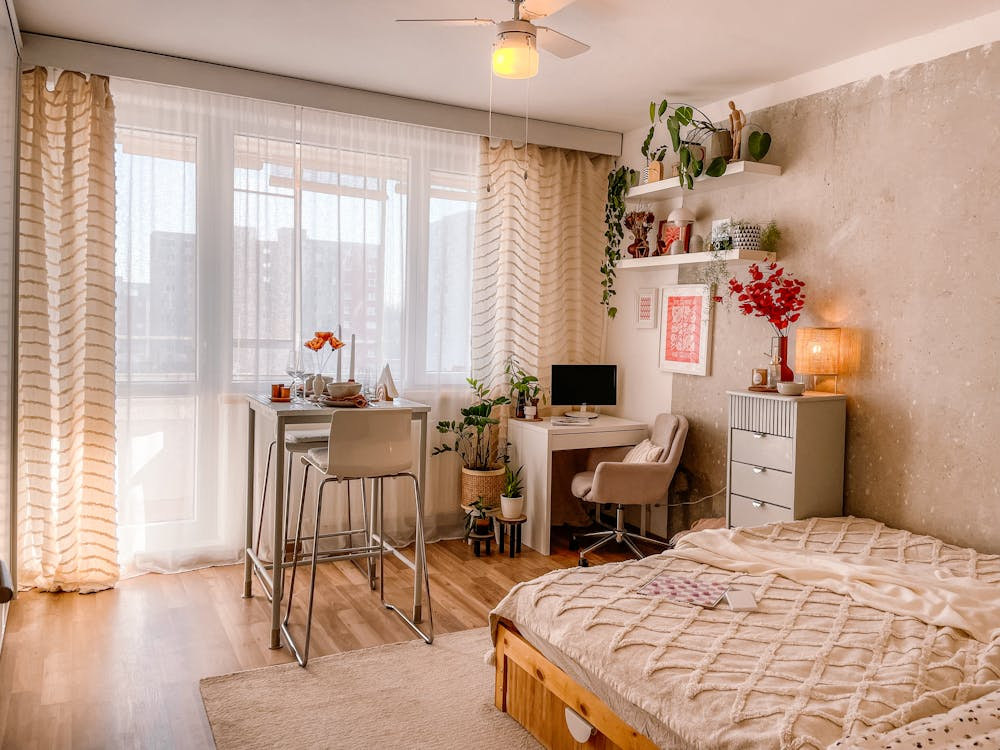
When floor space is limited, go up. Wall-mounted shelves, hooks behind doors, tall bookcases and stackable bins make excellent use of vertical space that often goes ignored. The key to organising a small space well is thinking in three dimensions, not just two.
Make Use of Under-Bed and Overhead Areas
Under-bed storage containers are ideal for seasonal clothing, extra linen or shoes. Top wardrobe shelves and hidden compartments in furniture are equally useful for items you only reach for occasionally.
Choose Multi-Functional Furniture
Invest in furniture that earns its place. Lift-up beds with built-in storage, ottomans with hidden compartments and foldable desks free up significant floor area while keeping your belongings organised and out of sight.
Step 4: Declutter Room by Room
Kitchen
Remove duplicate utensils, clear expired items from your pantry and fridge, and limit the number of countertop appliances. If an appliance is only used once a month, it doesn’t need permanent counter space.
Bedroom
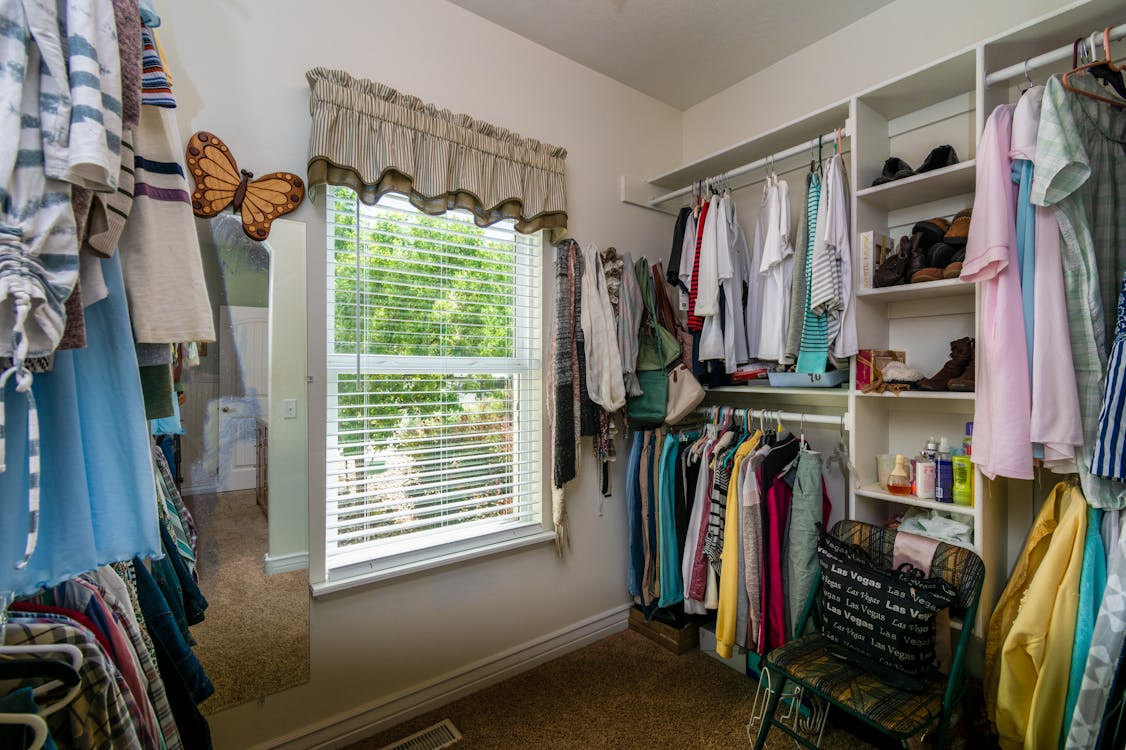
The key to curating a minimalist, clutter-free bedroom? Apply the ‘one-year rule’ to your wardrobe: if you haven’t worn it in 12 months, it goes. Remove excess décor from surfaces and keep bedside tables to just the essentials you reach for daily.
Living Room
Limit decorative items to those that genuinely add to the space. Hide cables and miscellaneous objects using cord organisers or baskets. Keep surfaces clear as a default, not an aspiration.
Bathroom
Remove expired products immediately and keep only daily-use items within easy reach. Everything else can go into a cabinet or be discarded. A clutter-free bathroom feels instantly more spacious and hygienic.
Step 5: Create Systems to Prevent Clutter from Returning
Adopt the ‘One In, One Out’ Rule
Every time something new comes into your home, something old leaves. This single habit does more to maintain a tidy apartment than any single decluttering session.
Schedule Regular Mini Decluttering Sessions
A monthly reset, even just 20 minutes per zone, prevents clutter from quietly rebuilding. Treat it as a household routine, the same way you would cleaning or laundry.
Be Mindful of New Purchases
Before buying anything, pause and ask: where will this item live? If there’s no clear answer, it’s likely an impulse buy that will eventually become clutter. Avoiding unnecessary purchases is one of the most effective long-term strategies for keeping a small space organised.
What to Do With Items You’re Not Ready to Let Go Of
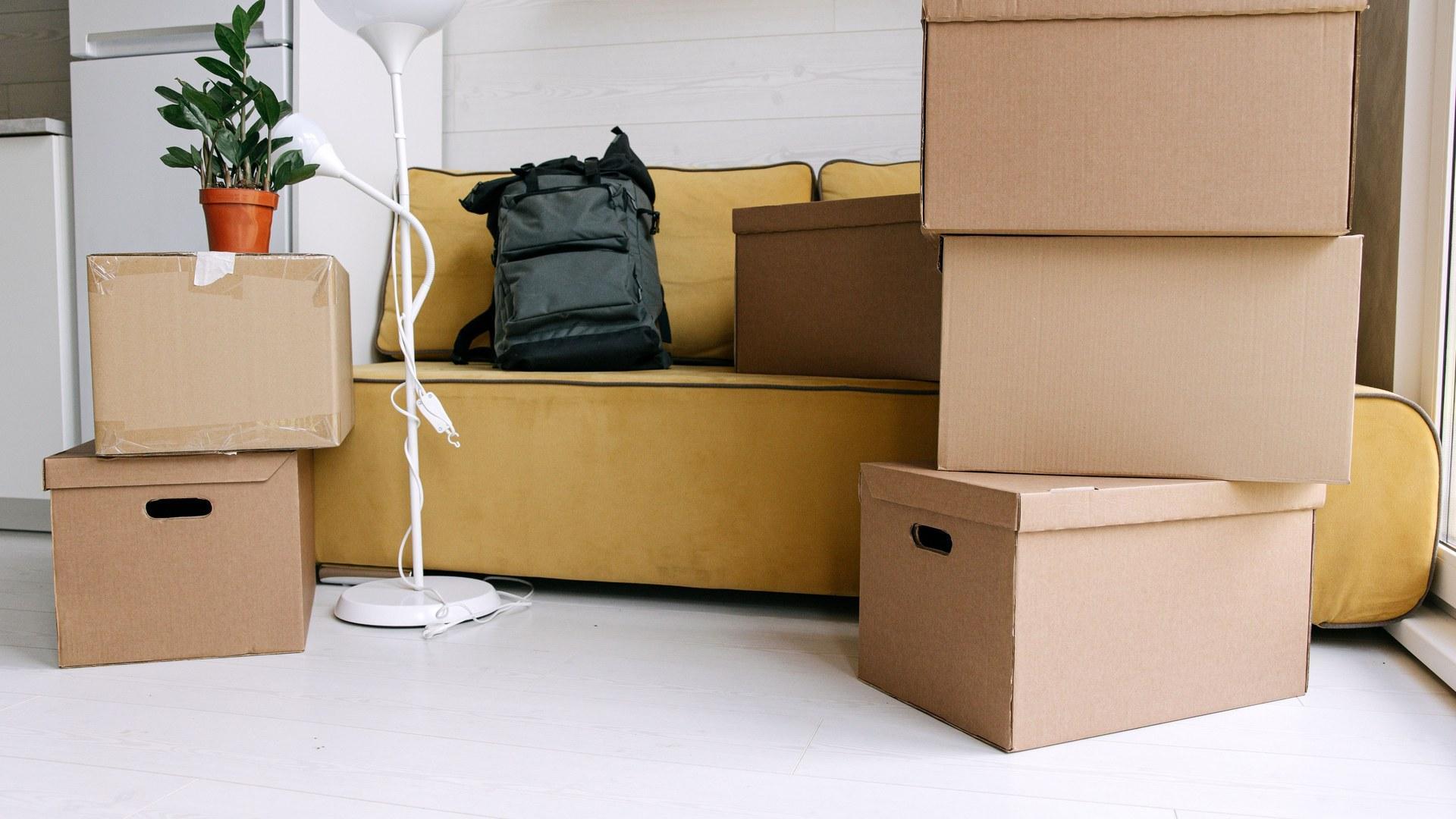
Not everything fits neatly into a keep-or-discard decision. Seasonal items, sentimental belongings, bulk purchases and hobby equipment are common examples of things that are genuinely useful but take up valuable space at home.
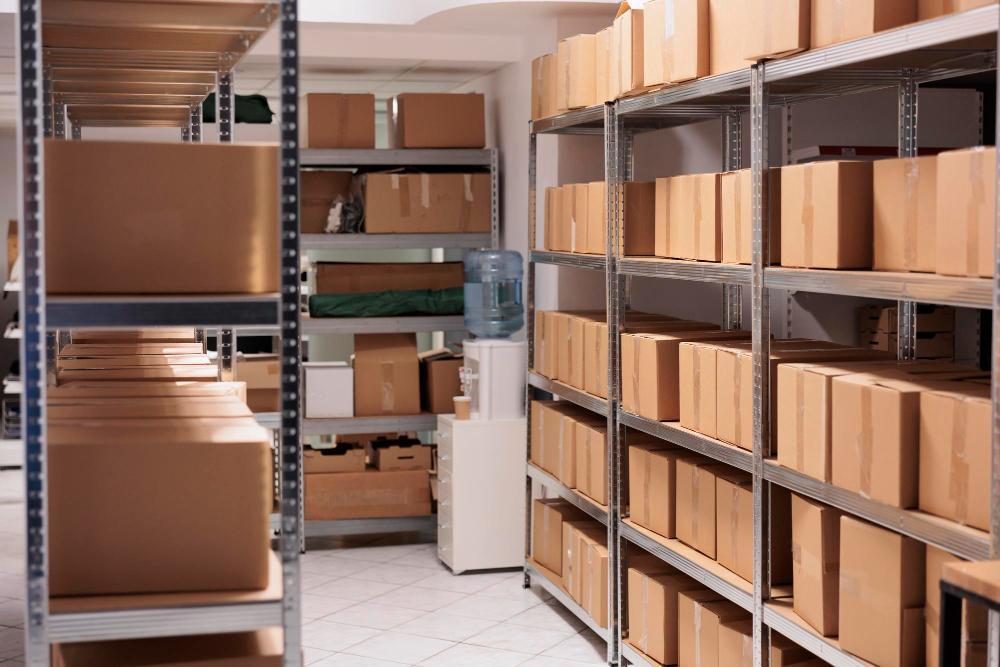
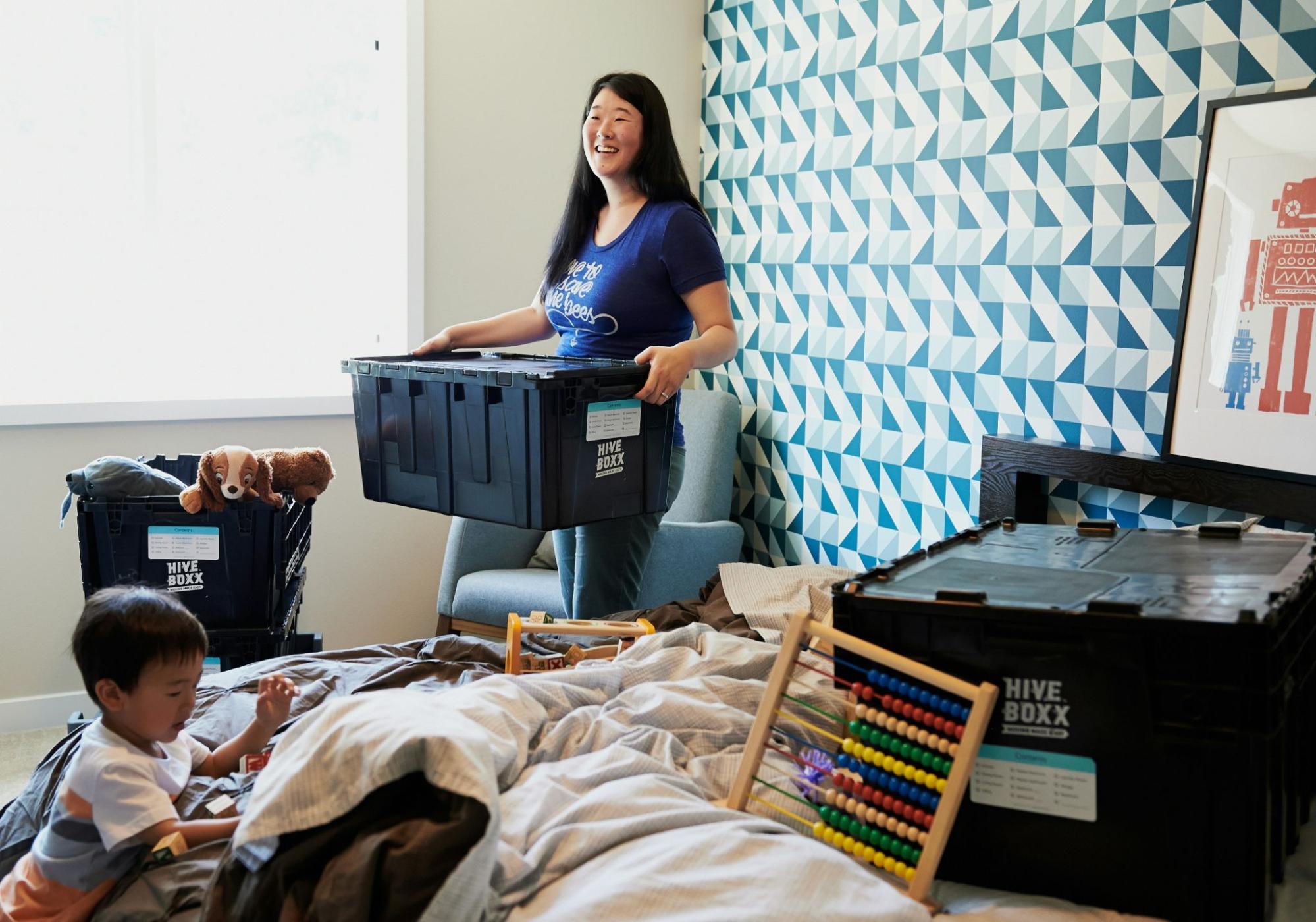
This is where renting storage space becomes a practical, low-commitment solution. Moving infrequently used items out of your apartment keeps your living space clutter-free without forcing permanent decisions. The benefits of temporary storage units go beyond simple safekeeping: secure, climate-controlled environments protect items you value, and the ability to scale your unit up or down means you only pay for the space you actually need.
Small Space, Big Impact
For those exploring storage solutions in Singapore, self-storage rental offers flexible, affordable options that can be scaled up or down as your needs change. At Urban Space, we provide secure, climate-controlled units with 24/7 access, so you can retrieve items whenever you need them.
Whether you’re storing monster collectibles, a spare mattress or boxes of archived documents, self-storage rental keeps your home liveable without the guilt of letting go prematurely. Contact us today to get a quote.

 WhatsApp
  Email
Email  Call Us