


30 April 2026
7 Benefits of Decluttering: Why Less Really Is More
Singapore households average under 100 sq m of living space, with most of us enjoying 90 sq m or so1. In that footprint, clutter doesn’t just accumulate quietly; it competes directly with how people think, rest and function day to day. Research links disorganised environments to elevated stress hormones and reduced cognitive performance2, and in a compact HDB flat or busy home office, there is little room to absorb the overflow.
The benefits of decluttering extend well beyond a tidier room. They reach into sleep quality, financial habits, daily efficiency and overall mental wellbeing. For both households and businesses operating in limited space, getting a handle on what you own and what you no longer need is a practical investment.
1. Decluttering Reduces Stress and Mental Overload
Visual clutter is processed by the brain as unresolved demand. Every unsorted pile of mail, every overstuffed cupboard adds a small cognitive load that compounds across the day. Research has shown that physical disorder in the environment significantly limits the brain’s ability to focus and process information3.
In compact Singapore apartments, this effect is amplified. There is little separation between living, working and resting zones. A simpler physical environment reduces the mental noise that comes with it, without requiring any structural changes to the space itself.
2. Improves Focus and Productivity
A cluttered workspace keeps the brain in a low-level state of alert rather than allowing it to settle into focused work. When the eye has nowhere neutral to rest, attention is pulled in multiple directions simultaneously.
For Singapore residents working from home, this has real effects. Removing visual distractions from a desk or study corner improves concentration, and packing away knick-knacks makes things easier to find. Work productivity doesn’t require a dedicated room; it requires fewer things competing for attention in the same space.
3. Saves Time in Your Daily Routine
Cluttered homes rarely have consistent locations for everyday items. Keys, documents, chargers, specific clothing: each retrieval becomes a search rather than a reflex. The time lost is modest per incident but compounds across a week.
Decluttering creates fixed homes for everyday items and collectibles. Morning routines move faster. Cleaning takes less time because surfaces don’t need to be cleared before being wiped. The individual savings are small; together, they produce a noticeably smoother daily rhythm.
4. Helps You Discover Hidden Cash and Value
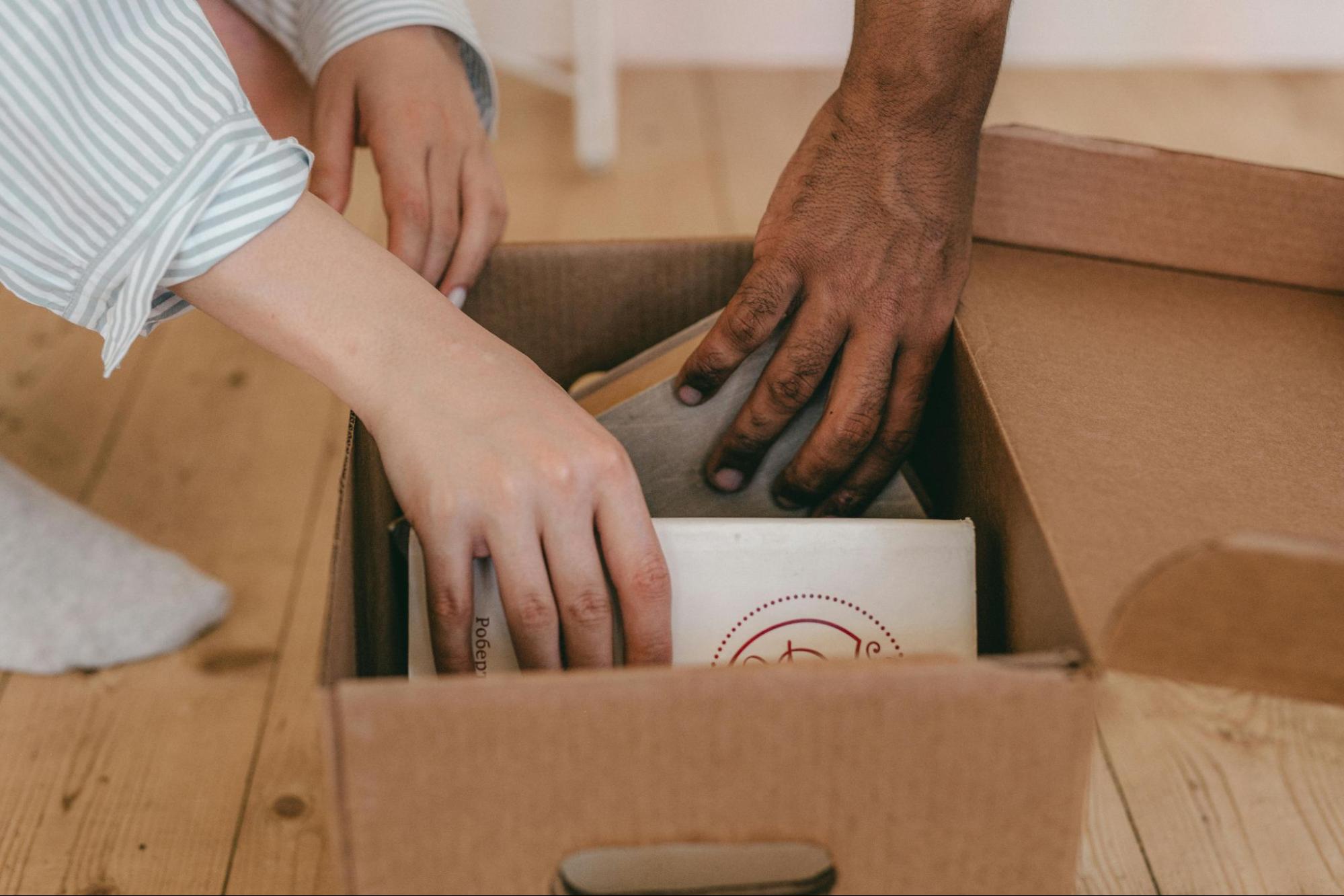
A clear-out regularly surfaces items that have gone unused for months. Selling through Carousell, Facebook Marketplace or neighbourhood groups in Singapore is straightforward, and social media is full of stories of getting hundreds of dollars reselling items never opened or no longer used.
Beyond resale income, the decluttering benefits include visibility into spending habits. Duplicate purchases, forgotten bulk buys and unused clothes all become apparent once they’re in front of you. That visibility tends to produce more considered purchasing decisions going forward.
5. Creates More Physical Space in Your Home
Removing what no longer gets used is the lowest-cost way to make a small space function better, no renovation required. Clearing overstuffed shelves improves airflow. Emptying under-bed storage or the back of a wardrobe returns usable square footage that was effectively lost.
In HDB flats and compact condominiums, this has real practical value. A room that holds fewer items doesn’t only look more open; it works better. Storage capacity that was exhausted becomes available again for what actually gets used regularly.
6. Improves Sleep Quality
A bedroom that doubles as overflow storage keeps the brain mildly activated when it should be winding down. Visible piles of unsorted items, the background awareness of unfinished decisions: these maintain a low-grade state of tension that sits poorly with rest.
Keeping the bedroom clear strengthens the association between that space and sleep. The effect is gradual, but for anyone who already struggles to switch off in a high-stimulation urban environment, reducing bedroom clutter is a low-effort intervention worth attempting.
7. Makes Cleaning and Maintenance Easier
Cleaning a cluttered space takes considerably longer than cleaning a clear one. Every item on a surface needs to be moved before the surface can be properly cleaned. Packed shelves and cluttered floors accumulate dust and allergens in ways that are difficult to address without first shifting everything.
A decluttered home is easier to maintain over time. Fewer items to reorganise, less surface area to manage and no need to treat cleaning as a periodic catch-up exercise.
Practical Tips to Start Decluttering Today
Decided to declutter, but not sure where to start? Many are overwhelmed by the mess, but the key is to take small, purposeful steps:
- Start with one drawer or one shelf rather than the entire home. The one-year rule offers a reliable filter: if something hasn’t been used or worn in the past 12 months and holds no significant sentimental or resale value, it probably doesn’t need to stay.
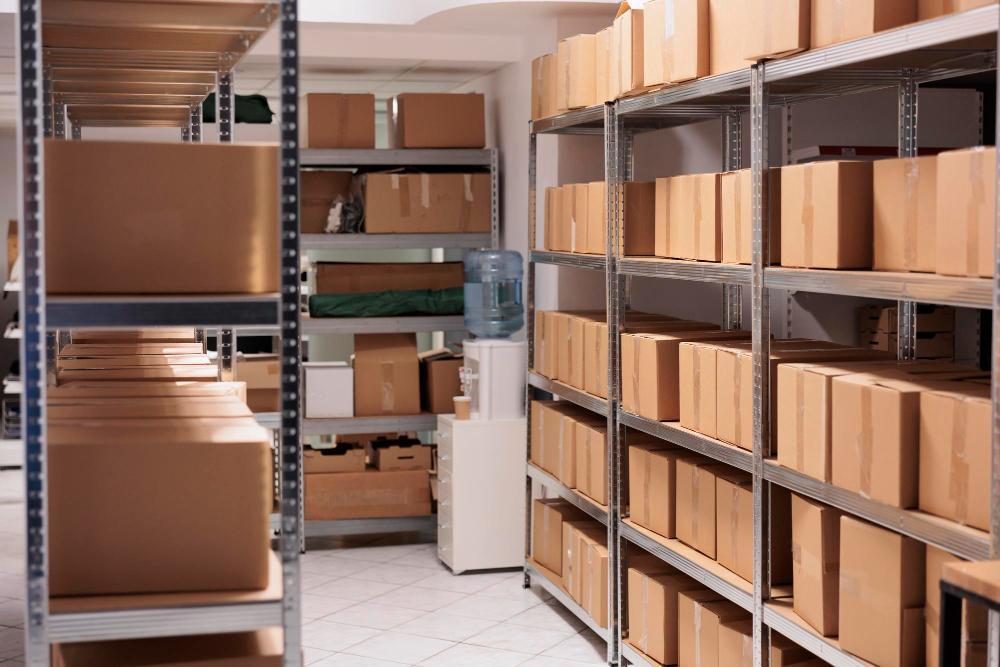
- Sort into four categories: keep, donate, sell and store. Not everything worth keeping belongs in active daily use. Items with genuine value that are seasonal, sentimental or tied to business needs don’t have to be discarded. Renting storage space is a practical middle ground: the home stays clear and the items are properly housed elsewhere, accessible when needed.
- If you need decluttering help beyond the initial sort, self-storage units give you space to hold belongings while the broader process unfolds. For businesses managing inventory or households clearing out ahead of a renovation, this turns an overwhelming project into a manageable one.
Whether you’re looking to rent warehouse storage for business stock or need a compact space for seasonal items, Urban Space offers flexible, climate-controlled options with no lock-in rental terms.
Final Thoughts: Decluttering as a Long-Term Habit
Decluttering works best as an ongoing practice rather than a single event. Small, consistent decisions about what to keep, store or let go produce a genuinely different relationship with your space over time.
The broader decluttering benefits compound. A clearer home supports better focus, better rest and sharper financial habits. For households and businesses working within Singapore’s limited square footage, pairing a consistent approach with flexible storage space in Singapore turns a tidier home from a temporary state into a sustainable one.
References

 WhatsApp
  Email
Email  Call Us