


21 July 2026
Climate-Controlled vs. Regular Storage: Which Do You Need?
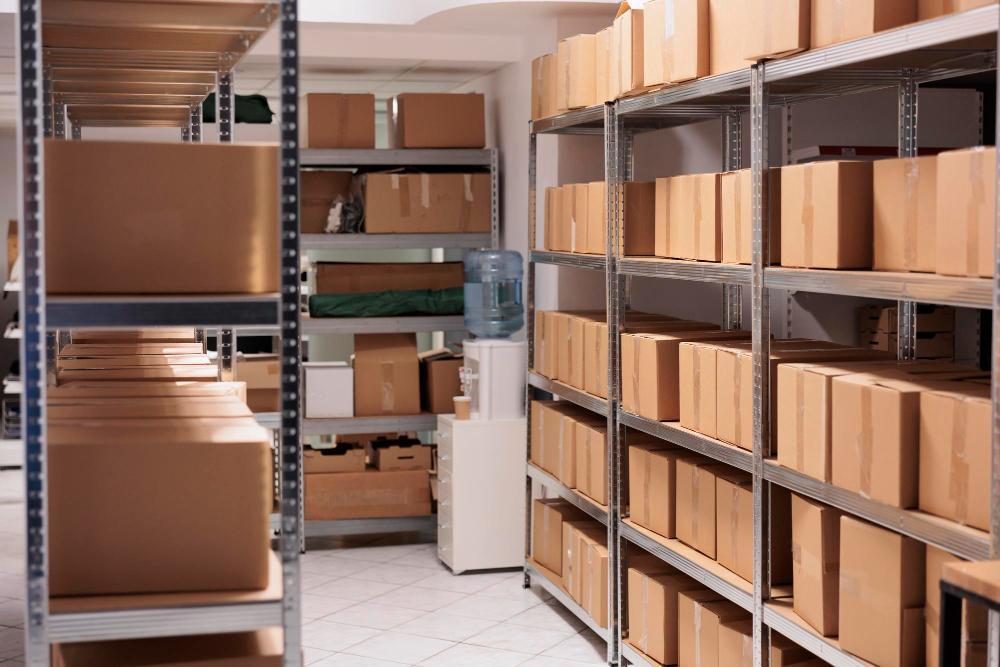
Singapore’s average relative humidity is around 82% year-round, which is the single most important factor in the climate-controlled versus regular storage decision. On paper, the two options look interchangeable apart from price. The difference shows up months later, in warped wood, corroded electronics, mouldy fabric, and yellowed documents. This guide breaks down what each option is, why climate-controlled storage matters, and how to make the right call for your situation.
What is Standard Storage?
Standard storage is a sealed, secured unit that holds belongings in ambient conditions. Temperature and humidity inside the unit track the surrounding environment, which in Singapore means warm air and high humidity for most of the year.
Standard units are typically cheaper and more widely available. They suit hardy items that can sit through heat and humidity without measurable damage, such as metal tools, plastic bins, and outdoor equipment that would survive being left in a covered car park for the same duration.
What is Climate-Controlled Storage?
Climate-controlled storage units maintain a stable temperature and humidity year-round, regardless of the weather outside. The regulatory system runs continuously, which allows the protection to be reliable rather than approximate.
In Singapore, where humidity averages around 82%, and temperatures stay warm year-round, this kind of regulation matters more than in most other markets. Climate-controlled self-storage units cost slightly more per square foot than regular storage units, but the protection they offer is ideal for items sensitive to heat, moisture, or both.
Key Differences Between Climate-Controlled and Standard Storage
From the outside, the two formats look almost identical. Both are sealed, lockable units with secured access on a flexible schedule. The differences lie in how the internal environment is managed, the monthly cost of that management, and which categories of belongings benefit from the regulation, justifying the price difference.
Temperature and Humidity Regulation
Climate-controlled storage units hold steady conditions, while standard units track the outside environment. In Singapore’s climate, that gap shows up as mould on fabric, warping in wood, corrosion on metal contacts inside electronics, and yellowing on paper. Damage usually accumulates over months and is invisible until the item is retrieved.
Cost
Climate-controlled storage units are priced higher than standard units because the infrastructure runs continuously. The actual monthly difference is often smaller than expected. The right comparison is between that monthly difference and the replacement value of the stored items.
Best Use Cases for Each
Regular storage works for metal tools, outdoor equipment, plastic containers, and vehicle accessories. Climate-controlled storage suits electronics, wooden furniture, artwork, documents, musical instruments, clothing, and collectables. Items that fall between the two categories generally do better in climate-controlled storage in Singapore, because ambient humidity is high enough to affect even moderately sensitive materials over time.
Items That Require Climate-Controlled Storage
Certain materials react to heat, moisture, or both in ways that are not visible until the unit is opened months later. The categories below share that vulnerability.
- Electronics and appliances: Heat deforms plastic components and weakens adhesives, while humidity corrodes circuit boards, connectors, and internal contacts before any external sign appears. This is why most retailers and e-commerce SMEs holding inventory in Singapore use climate-controlled storage.
- Wooden and upholstered furniture: Wood expands and contracts as humidity fluctuates, which leads to warping and cracking over time. Upholstery and leather develop mildew and persistent odour, both of which are difficult to reverse once set in.
- Artwork, photos, and collectables: Paper, canvas, and print materials respond quickly to changes in moisture and temperature. For irreplaceable items, the monthly cost of climate control is consistently lower than the cost of damage or restoration, if restoration is even possible.
- Documents and books: Humidity yellows paper, warps covers, and makes book bindings brittle over time. For businesses storing physical records, contracts, or archives, climate-controlled storage protects documents that would otherwise need to be redigitised or recreated.
- Musical instruments: Wooden bodies on guitars, violins, and pianos warp under fluctuating humidity, while metal components rust and tuning drifts with each temperature shift. Climate-controlled storage keeps instruments in playable condition between uses.
Items That Are Fine in Standard Storage
Durable, non-sensitive items can sit in standard storage without significant risk. Metal tools, garden equipment, plastic bins, outdoor furniture, and bicycles fall into this category, along with items that are accessed frequently or stored for short periods of less than three months. If the item would survive being left in a covered car park for the same duration, it will survive standard storage.
When is Climate-Controlled Storage Worth the Extra Cost?
Four conditions tilt the decision toward climate-controlled storage units:
- Long storage windows: Three months or more is enough for ambient humidity damage to compound, regardless of how items looked at intake.
- High-value or irreplaceable items: The monthly price gap between standard and climate-controlled storage is usually trivial compared with replacement cost or the cost of restoration, if restoration is even possible.
- Material sensitivity: Most furniture, electronics, paper, and fabric in Singapore fall into this category, where an average humidity of 82% affects items that would sit comfortably in drier markets.
- Business inventory: Damaged stock translates directly into write-offs, customer complaints, and replacement orders, all against next quarter’s numbers.
Making the Right Choice for Your Storage Needs
The decision comes down to three variables: item sensitivity, storage duration, and replacement cost in the event of damage. If the items are non-sensitive and the storage window is short, regular storage is the right call. If any one of those variables tilts the other way, climate-controlled storage usually pays for itself in protected value.
At Urban Space, our self-storage units in Singapore are 100% climate-controlled, with document storage units from $70 a month and household storage units from $150 a month, equivalent to a one-bedroom flat. Month-to-month terms and 24/7 personalised PIN access apply across all unit sizes.
Final Thoughts
The right choice between climate-controlled and standard storage depends on what is being stored, for how long, and at what replacement cost if damage occurs. For most items beyond basic hardy goods, Singapore’s year-round humidity makes climate-controlled self-storage the safer operational call rather than a premium add-on.
For households and businesses weighing the two, browse our storage space for rent for units that protect against Singapore’s humidity from the first month.

 WhatsApp
  Email
Email  Call Us