


22 September 2026
How to Store Furniture in a Storage Unit
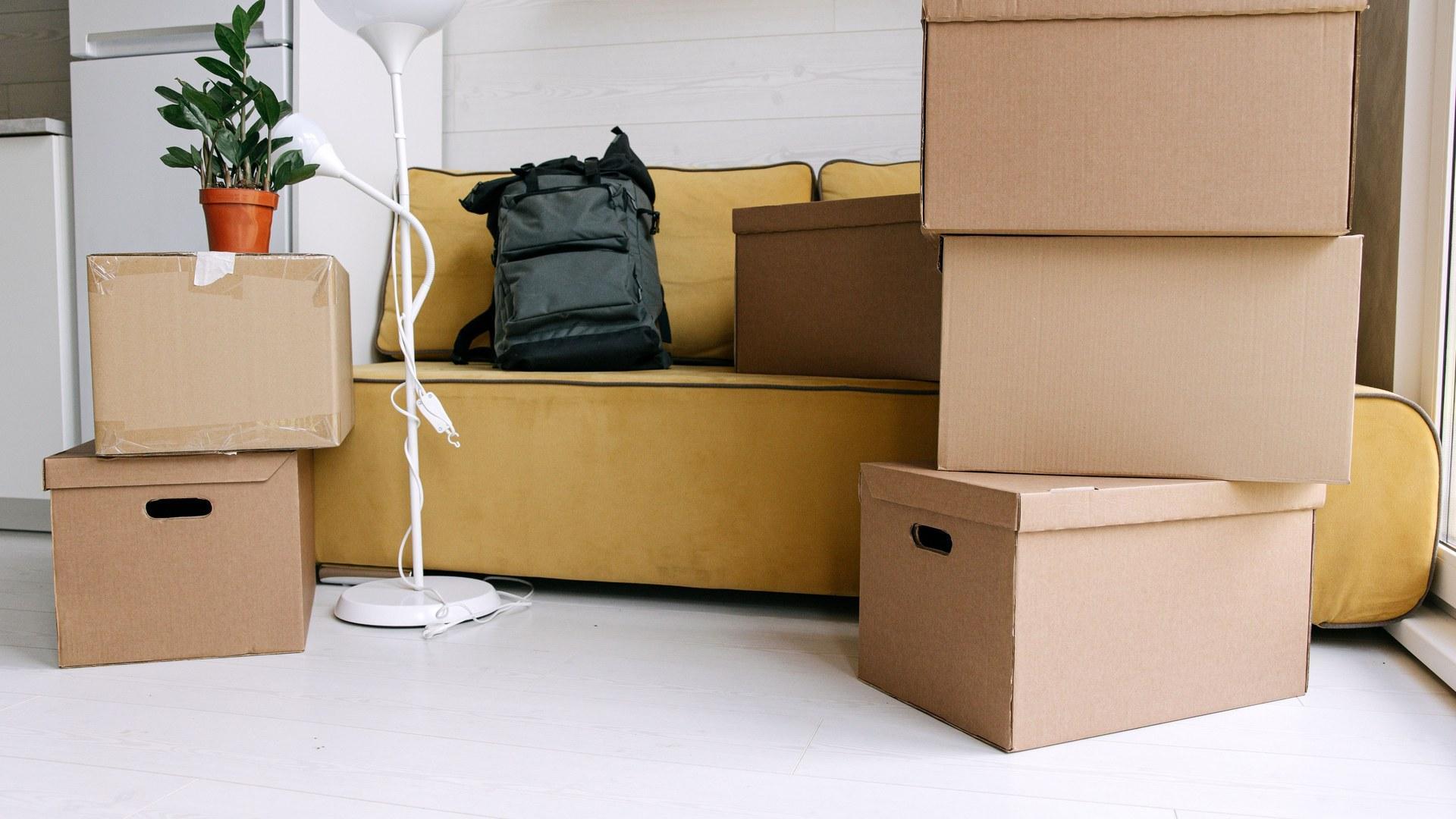
Most furniture goes into storage during a move, a renovation, or a downsize, when there is little time to think about how to pack it. That rush is usually where the damage starts. A wooden cabinet or a fabric sofa can go into the unit looking perfectly fine and come out months later warped, stained, or spotted with mould.
The problem is rarely the storage itself. It is putting furniture straight into a unit without preparing it for the long stretch ahead, so months of heat and humidity work on unprotected surfaces. This guide covers how to store furniture in a storage unit the right way, so it comes out in the same condition it went in.
Step 1: Clean Everything Thoroughly Before It Goes In
Dirt, grease, and trapped moisture left on a surface keep working at the material for the entire time a piece is in storage. Food residue attracts pests, and damp patches encourage mould. Cleaning each item before it goes into a furniture storage unit is the cheapest protection available, and it takes an afternoon at most.
How you clean depends on the material:
- Wood: wipe down with a dry or lightly damp cloth, then apply polish or wax for protection.
- Fabric and upholstery: vacuum thoroughly, spot-clean stains, and dry completely before wrapping.
- Leather: treat with a conditioner so the surface does not dry out and crack.
- Metal: wipe clean and add a light coat of oil to hold off rust.
- Glass: clean and dry fully before wrapping, since trapped moisture leaves marks.
Step 2: Disassemble and Label What You Can
Furniture left whole takes the full stress of transport and stacking through its joints and hinges. Taking pieces apart spreads that load and protects the weak points. It also frees up room, so you can often rent a smaller unit.
Bed frames, dining tables, bookshelves, wardrobes, and desk units are usually worth breaking down. Keep every screw, bolt, and fitting in a labelled zip-lock bag taped to the piece it belongs to, and mark the larger parts too. Post-relocation reassembly, sometimes months later, is far simpler when each component is labelled and kept with its piece, rather than loose parts you have to match up by trial and error.
Step 3: Wrap and Protect Each Piece Properly
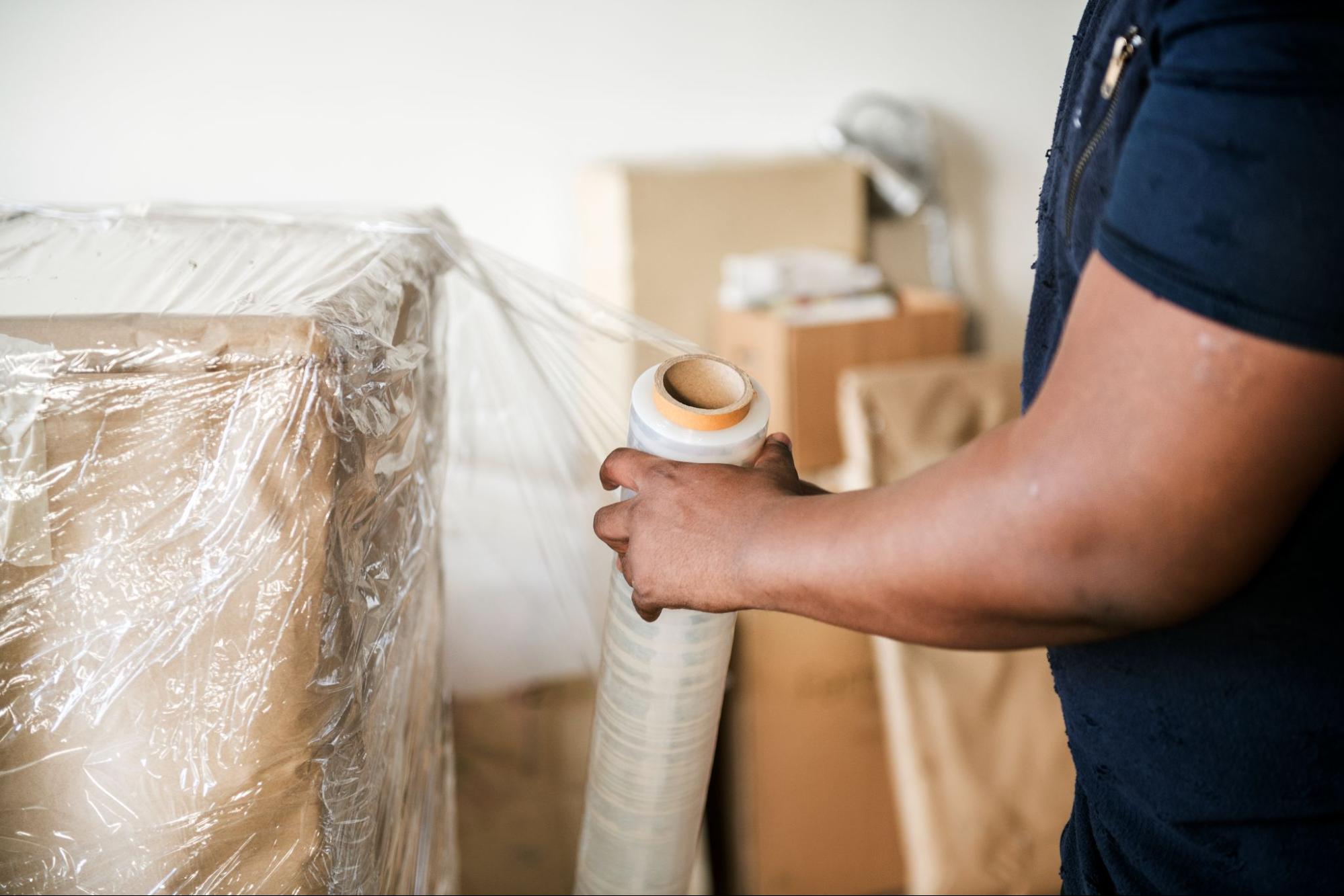
Wrapping is where good intentions often go wrong. New furniture usually arrives shrink-wrapped in plastic, which can give the impression that plastic is suitable for storage too. It holds up for a short delivery trip, but over months in a unit it traps moisture against wood and leather and speeds up the mould and cracking you want to prevent.
Look instead at how furniture is protected in a showroom or wrapped away in an older family home: thick blankets, bubble wrap, layers of padding, and breathable covers.
A few pieces need particular care:
- Mirrors and glass: wrap in packing paper first, then bubble wrap, and store them upright rather than flat.
- Sofas and mattresses: use breathable fabric covers, not plastic sheeting, so air can still move through the material.
- Legs and edges: wrap table legs and protruding corners individually with foam or bubble wrap to stop scratches.
Step 4: Organise Your Storage Unit Strategically
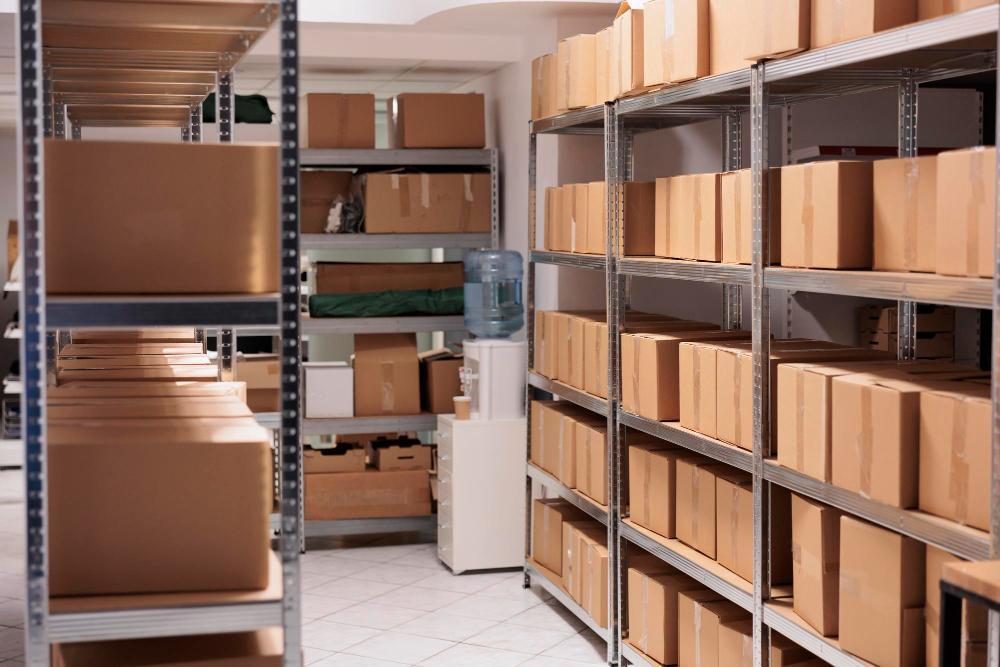
How you load the unit decides how much of it you can actually use. Heavier, sturdier items like solid wood tables and metal frames belong on the bottom, with lighter and more fragile pieces on top. A few rules keep the space usable:
- Keep items you might need midway near the entrance, not buried at the back.
- A clear walkway down the middle lets you reach a single item without shifting everything around it.
- Raise furniture off the floor on pallets or boards, away from moisture on the ground.
- Heavy boxes should never rest on upholstered pieces, since even a few weeks of that can dent a cushion or sofa arm permanently.
Step 5: Choose the Right Storage Environment
Preparation only holds up if the storage environment does too. Singapore’s average relative humidity sits at around 84% across the year, and that moisture can slowly damage furniture made of wood, fabric, and leather. Wooden pieces are especially prone to warping, swelling, and mould.
Climate-controlled storage holds a stable temperature and humidity range across all seasons, which removes most of that risk. It is the sensible choice for long-term storage, high-value or antique pieces, and anything made from natural materials. Silica gel packets or moisture absorbers inside wrapped furniture add extra insurance. And for more comprehensive protection, so a self-storage unit in Singapore keeps furniture safe from wind and rain for months on end.
Common Furniture Storage Mistakes to Avoid
Most damage in storage traces back to a short list of avoidable errors:
- Wrapping wood or leather directly in plastic, which traps moisture against the surface.
- Storing upholstered furniture without covers, leaving it open to dust and pests.
- Stacking heavy items on sofas or mattresses, which crushes the padding until cushions warp and lose their shape for good.
- Skipping the cleaning step, so grease and food residue sit on surfaces for months and draw out mould and pests.
- Leaving large pieces whole, which stresses the joints and wastes floor space.
- Forgetting to label disassembled hardware, which turns reassembly into guesswork.
How Urban Space Can Help You Store Furniture With Confidence
The space itself matters as much as the packing, whether you are putting furniture into self-storage for a move or clearing the house for a home renovation. Urban Space brings the parts that protect furniture into one facility:
- Every unit is 100% climate-controlled, keeping furniture stable in Singapore’s heat and humidity.
- Unit sizes run from 9 sq ft lockers to rooms of 180 sq ft and more, enough for a single armchair or a full home’s worth of furniture.
- Access runs 24/7 on a personalised PIN, with month-to-month terms and no lock-in.
- The facility sits in Bukit Merah near Alexandra Road, a short drive from the CBD without CBD pricing.
- Free trolleys and ladders, plus packing supplies on-site, cover the parts of a move most people forget to plan for.
The Payoff of Preparing Furniture Properly
Furniture that survives storage intact usually does so for the same five reasons: it was cleaned, disassembled, wrapped, organised, and kept in the right environment. None take long, and together they protect the condition and resale value of what you own. If you need temporary storage space in Singapore while you move or renovate, contact Urban Space for the right storage unit for furniture, or speak to our team for a size recommendation suited to what you are storing.

 WhatsApp
  Email
Email  Call Us